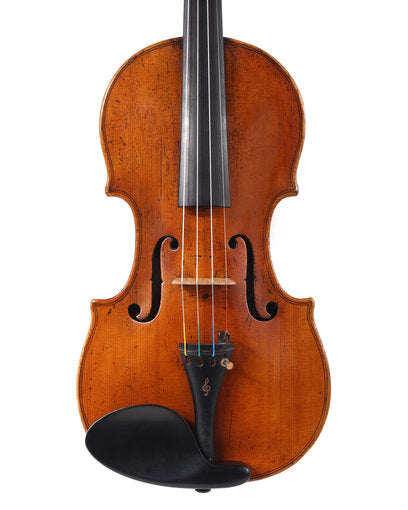

Violin Buying Guide: How to Choose the Perfect Violin for Every Player
Choosing a violin is a milestone for any musician, whether you’re a beginner, a parent shopping for a student, or an advanced player seeking your next upgrade. The process can feel overwhelming—there are hundreds of models, price points, and features to consider. This comprehensive violin buying guide will walk you through every step of the decision, from understanding the differences between new and used violins, to evaluating price ranges, model types, and the most important features to look for. By the end, you’ll have the confidence and knowledge to select a violin that inspires your music for years to come.
Table of Contents
- Why Buying the Right Violin Matters
- New vs. Used Violins: Pros and Cons
- Understanding Violin Sizes
- Violin Price Ranges and What to Expect
- Violin Models and Origins
- What to Look for in a Violin
- Essential Violin Accessories
- Where to Buy Your Violin
- Violin Trials and Upgrades
- Violin Buying FAQ

Why Buying the Right Violin Matters
The violin you choose will shape your sound, your comfort, and your enjoyment of music. A well-matched instrument encourages practice, supports healthy technique, and unlocks your musical potential. Conversely, a poor-quality or ill-fitting violin can lead to frustration, bad habits, and even physical discomfort. Investing time in the buying process ensures you get an instrument that matches your needs and goals.
New vs. Used Violins: Pros and Cons
New Violins
- Condition: Pristine, with no wear or repairs.
- Warranty: Often comes with a warranty or return policy.
- Modern Features: Benefit from current setup standards and materials.
- Cons: May lack the matured sound of older instruments; can be more expensive for comparable quality.
Used & Vintage Violins
- Sound: Older violins often have a richer, more complex tone due to aged wood.
- Value: Can offer excellent value; some vintage instruments appreciate over time.
- Character: Unique history and appearance.
- Cons: May require repairs or adjustments; always buy from a reputable shop with a return policy and expert inspection.
Understanding Violin Sizes
Violins come in fractional sizes to fit players of all ages and body types. The most common sizes are:
- 4/4 (Full Size): Suitable for most adults and older teens. Browse full-size violins.
- 3/4, 1/2, 1/4, 1/8, 1/16, 1/32: For children and smaller players. See our undersize violin collection for details.

Violin Price Ranges and What to Expect
Violin prices vary widely based on craftsmanship, materials, age, and origin. Here’s what you can expect at each level:
- Under $1,000: Entry-level student violins, often made in China or Eastern Europe. Look for solid wood construction and professional setup. Example: Glica Maestro violin outfit.
- $1,000–$4,999: Step-up and intermediate models with better wood, craftsmanship, and sound. Includes some handmade and workshop instruments. Example: Heinrich Gill 4/4 violin.
- $5,000–$20,000: Advanced and professional violins, often from renowned workshops or individual makers. Example: Auguste Delivet violin.
- $20,000 and up: Fine contemporary, antique, or investment-grade instruments. Example: Paul Bailly violin, 1895.
Violin Models and Origins
Violins are modeled after famous Italian makers, each with unique tonal and playing characteristics:
- Stradivari Model: Balanced, brilliant, and versatile. Popular for soloists and advanced students.
- Guarneri Model: Deeper, darker tone; favored by many professionals.
- Amati Model: Sweeter, more delicate sound; often used for chamber music.
What to Look for in a Violin
Here are the most important features to evaluate when buying a violin:
- Size: Ensure the violin matches the player’s age and arm length.
- Tone Quality: Look for a clear, balanced sound across all strings.
- Materials: Solid wood (spruce top, maple back and sides) offers better tone and durability than laminated wood.
- Setup: Proper bridge height, string spacing, and fingerboard alignment improve playability.
- Craftsmanship: Smooth seams, clean varnish, and precise fittings indicate better build quality.
Essential Violin Accessories
To get the most from your new violin, you’ll need:
- Bow: Essential for sound production; quality affects control and tone.
- Rosin: Applied to bow hair to create friction on the strings.
- Case: Protects the violin during storage and transport.
- Shoulder Rest: Improves comfort and posture while playing.
- Tuner or Tuning App: Keeps the violin properly tuned.
Where to Buy Your Violin
It’s best to purchase from a reputable violin shop, either in person or online. Advantages include:
- Proper Setup: Instruments are adjusted and play-ready.
- Expert Guidance: Staff can recommend appropriate size and quality.
- Warranty or Trade-In Options: Useful for upgrades or growing players.
- Reliable Quality: Reduced risk compared to mass-market retailers.
Violin Trials and Upgrades
Many shops, including Metzler Violins, offer home trials so you can test instruments in your own environment. This is especially valuable for advanced players or those investing in a higher-end instrument. Additionally, consider shops with trade-in or consignment programs, so you can upgrade as your skill or needs grow.

Violin Buying FAQ
Should I buy or rent?
Renting is ideal for beginners and children who may need size changes. Buying makes sense for committed players and long-term use.
How do I know if a violin is the right size?
Violin size is based on arm length. When holding the violin, your fingers should comfortably wrap around the scroll without strain.
What about bows and strings?
A good bow improves sound and control, while quality strings affect tone and playability. Most beginner violins include suitable starter options.
What’s included in a violin outfit?
A violin outfit typically includes the violin, bow, case, and rosin—everything needed to start playing.
How do I care for my violin?
Wipe it after playing, loosen the bow hair, store it in its case, and avoid extreme temperature or humidity changes.
Conclusion: Start Your Violin Journey With Confidence
Buying a violin is an investment in your musical future. By considering your needs, budget, and the factors outlined in this guide, you’ll be equipped to make a choice you’ll love. Remember, the right violin will inspire you to practice, perform, and grow as a musician. Explore our full range of violins and reach out to our experts for personalized advice. Happy playing!